
Impulse Control in Men: Why Discipline Isn’t the Problem
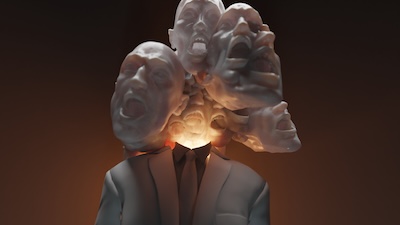
Most people act on impulse occasionally—making a snap purchase or speaking a sharp word in frustration. However, for many men, “acting in the moment” is not just a one-off event. Instead, it is a repetitive pattern that leaves a trail of regret, strained relationships, and professional setbacks. When impulse control in men becomes a cycle, it is usually not a “willpower problem”. Rather, it is a clinical breakdown between the urge to act and the ability to inhibit that drive.
Beyond “Lack of Discipline”: What Are Impulse Control Disorders?
Clinically, these disorders are not about a lack of morals. Instead, they are characterized by a specific internal process:
-
Tension Buildup: You feel a mounting sense of urgency or drive before the act.
-
Immediate Relief: You experience a temporary “high” or sense of gratification during the behavior.
-
The Crash: Significant guilt, shame, or distress follows once the moment passes.
-
Repetition: You continue the behavior even though you know the negative consequences.
Common Patterns of Impulse Control in Men
Impulse regulation difficulties can manifest in several high-stakes ways. Because these behaviors often provide a temporary escape, they become deeply ingrained.
-
Explosive Anger: Verbal outbursts that damage family or work dynamics.
-
Financial Risks: Compulsive gambling, risky investments, or “thrill-seeking” purchases.
-
Reckless Behavior: Driving or sexual behaviors that do not align with your personal values.
-
Self-Soothing: Using impulsive acts to numb boredom, discharge anger, or escape anxiety.
Why “Just Stopping” Doesn’t Work
If you have ever asked yourself, “Why did I just do that?” the answer lies in your physiology. Impulse control in men involves a complex interaction between the brain’s reward system (dopamine) and the prefrontal cortex, which acts as the “brakes”. When the prefrontal cortex is fatigued, overwhelmed by stress, or biologically dysregulated, it loses its ability to pause and reflect. Consequently, the impulse wins before you have a chance to think.
ADHD, Trauma, and Diagnostic Clarity
Impulse control difficulties rarely exist in a vacuum; therefore, a comprehensive assessment is vital. These patterns frequently co-occur with other conditions:
-
ADHD: Challenges with executive functioning directly impact inhibition.
-
Anxiety & Mood Disorders: Using action as a way to regulate overwhelming feelings.
-
Trauma History: A nervous system that stays stuck in an “act now” state to ensure safety.
This is why Psychological Testing is invaluable. Without a proper assessment, you may spend years trying to fix “bad habits” when you actually need to manage a neurodevelopmental pattern.
How Therapy and Testing Help You Regain Choice
Psychotherapy is not about suppressing your nature. Instead, it is about expanding the “pause” between the urge and the action. Through targeted treatment, you can learn to:
-
Identify Triggers: Recognize early warning signs before the tension peaks.
-
Tolerate Discomfort: Build the “mental muscle” to sit with an urge without acting on it.
-
Values-Based Decision Making: Realign your actions with the man you actually want to be.
Take Control of the Narrative
Impulsivity thrives in shame. However, choosing to seek a clinical assessment is a tactical move toward regaining your agency. If you are in California, Michigan, or Alaska and are tired of your impulses driving the car, let’s get the data you need to move forward.
👉 Schedule a Consultation for Psychotherapy 👉 Learn More About Psychological Testing & ADHD Assessments